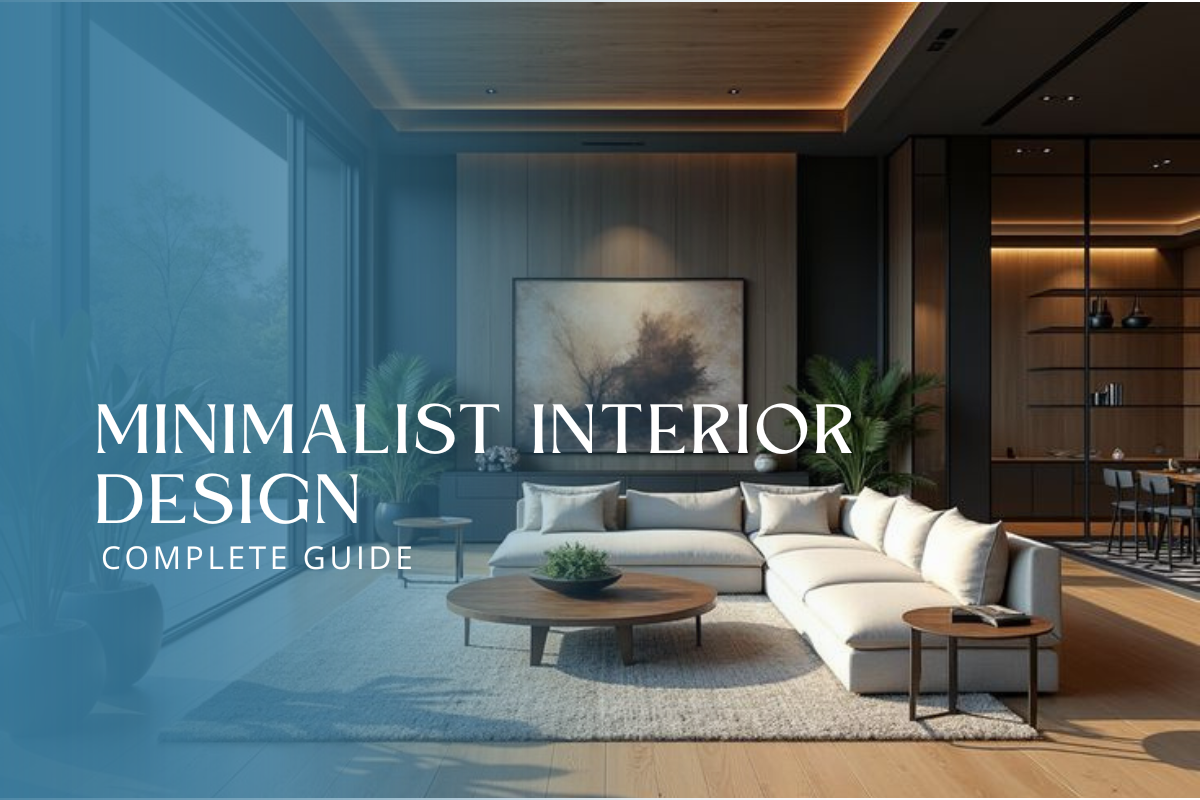
Modern homes often feel cluttered and overwhelming, making it hard to create a calm and functional space. Minimalist interior design offers a simple solution by focusing on clean aesthetics, purposeful choices and clutter-free living.
In this guide, we’ll cover the core principles of minimalism and how to apply them to every room in your home from the bedroom and living room to the kitchen, bathroom and hallways.
What Is Minimalist Interior Design?
Minimalist interior design is about living with only what you need where every piece of furniture, color, and detail serves a clear purpose. It’s rooted in the simple idea that a calm, organized space feels better to live in than a busy, overfilled one.
Key Elements of Minimalist Interior Design
These foundational principles define minimalist style interior design and working with all of them together creates that signature sense of calm and order.
Neutral Color Palette
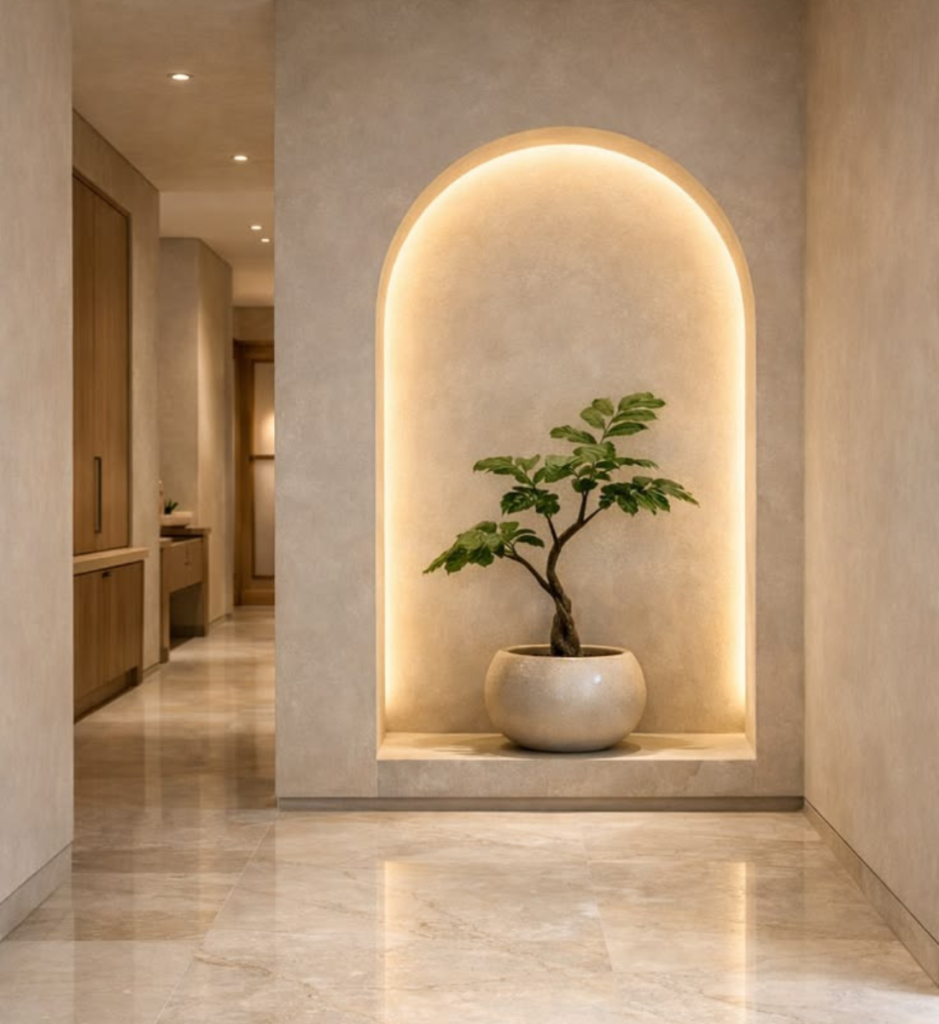
Whites, warm creams, soft greys, and earthy tones keep spaces feeling open and continuous. A single muted accent colour in small doses stops things from feeling too plain.
Clean Lines and Simple Shapes
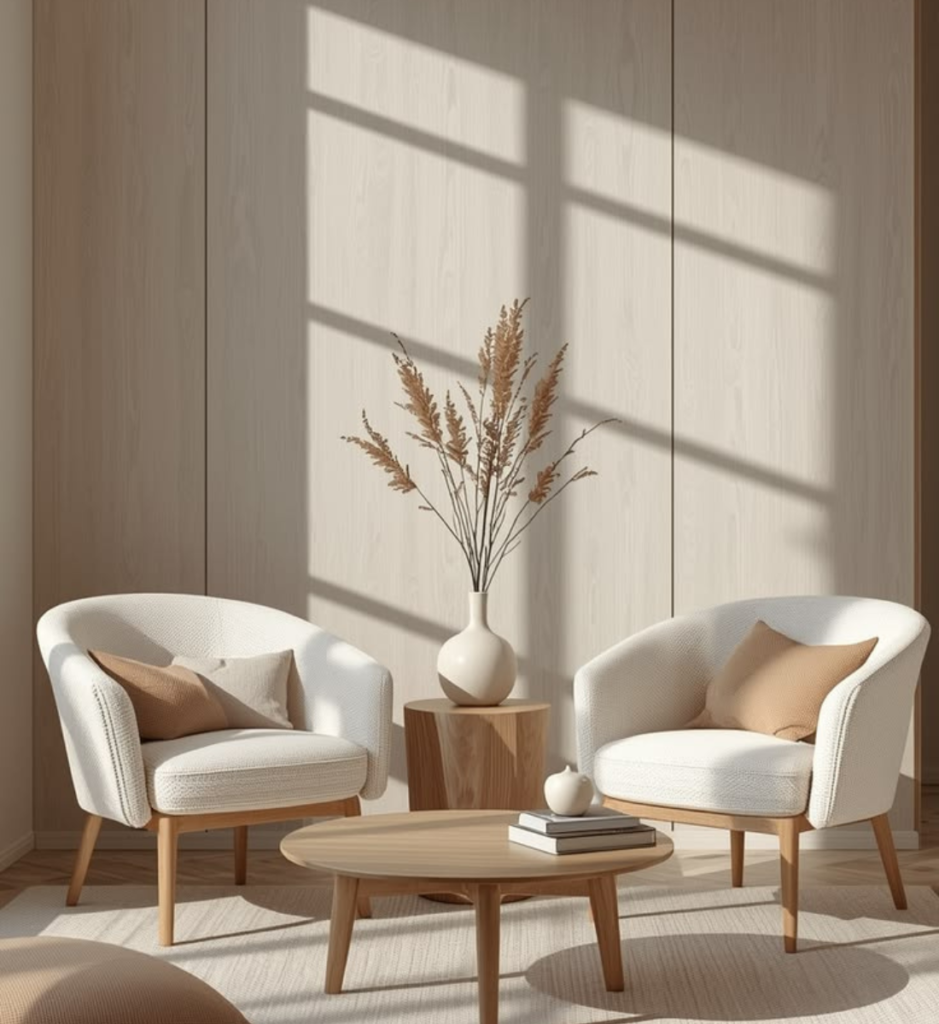
In modern minimalist interior design, straight edges, flat planes, and simple silhouettes keep the eye relaxed. Nothing is included purely for decoration.
Functional Furniture
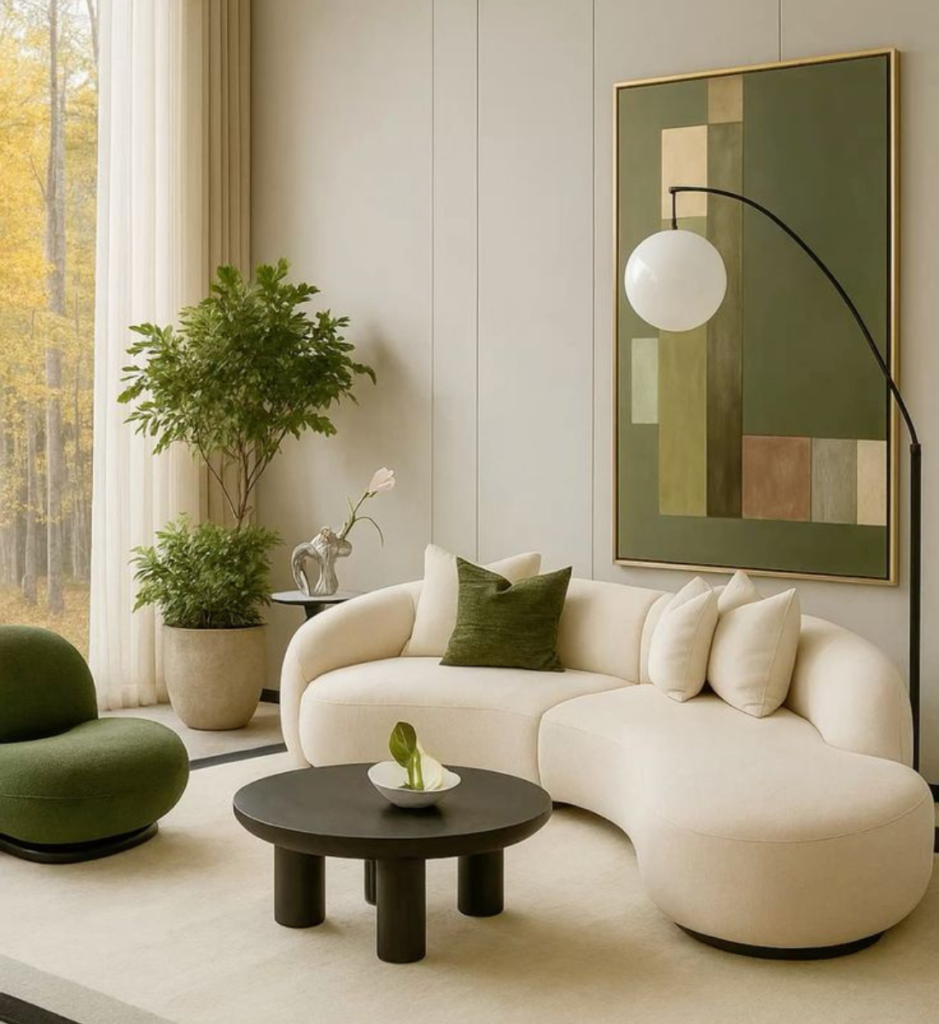
In minimalist small house interior design, multi-functional pieces like storage beds, extendable tables, built-in shelving do the heavy lifting.
Lighting in Minimalist Design
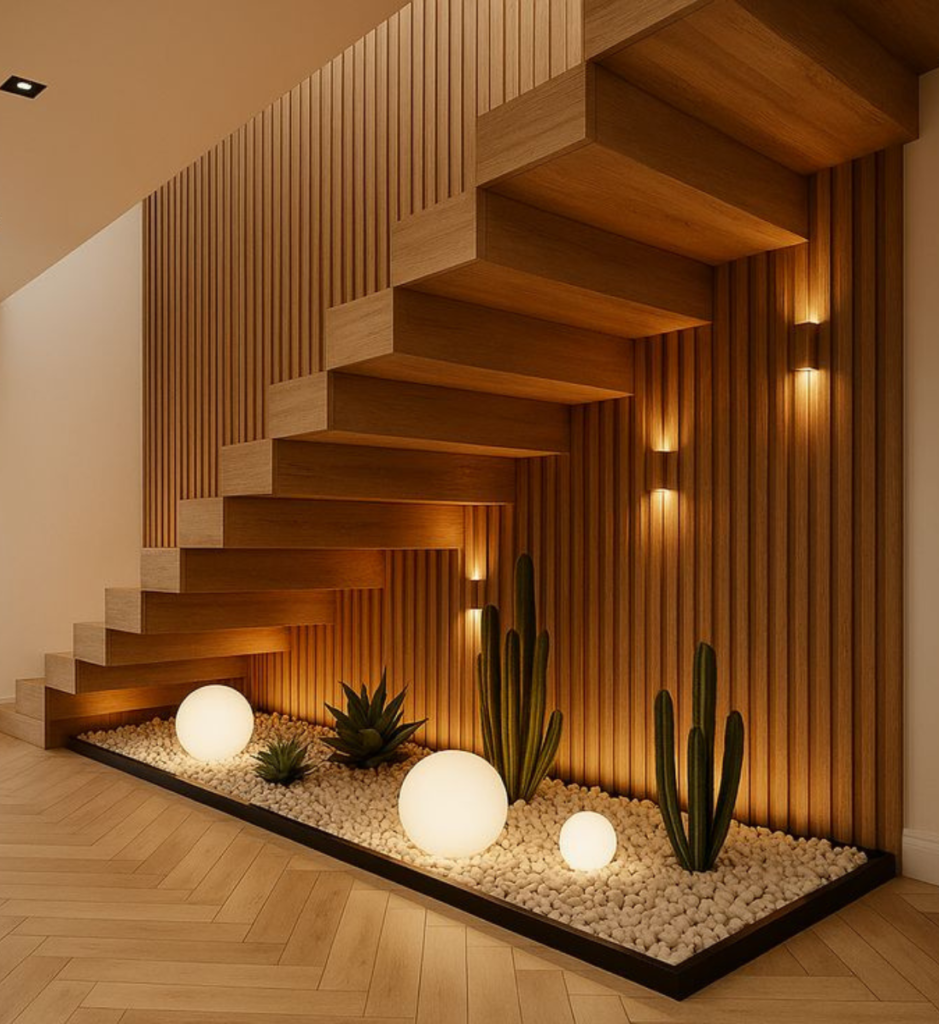
Natural light comes first, always. For artificial lighting, warm-toned pendants and recessed ceiling lights create an atmosphere without competing for attention.
Natural and Simple Materials
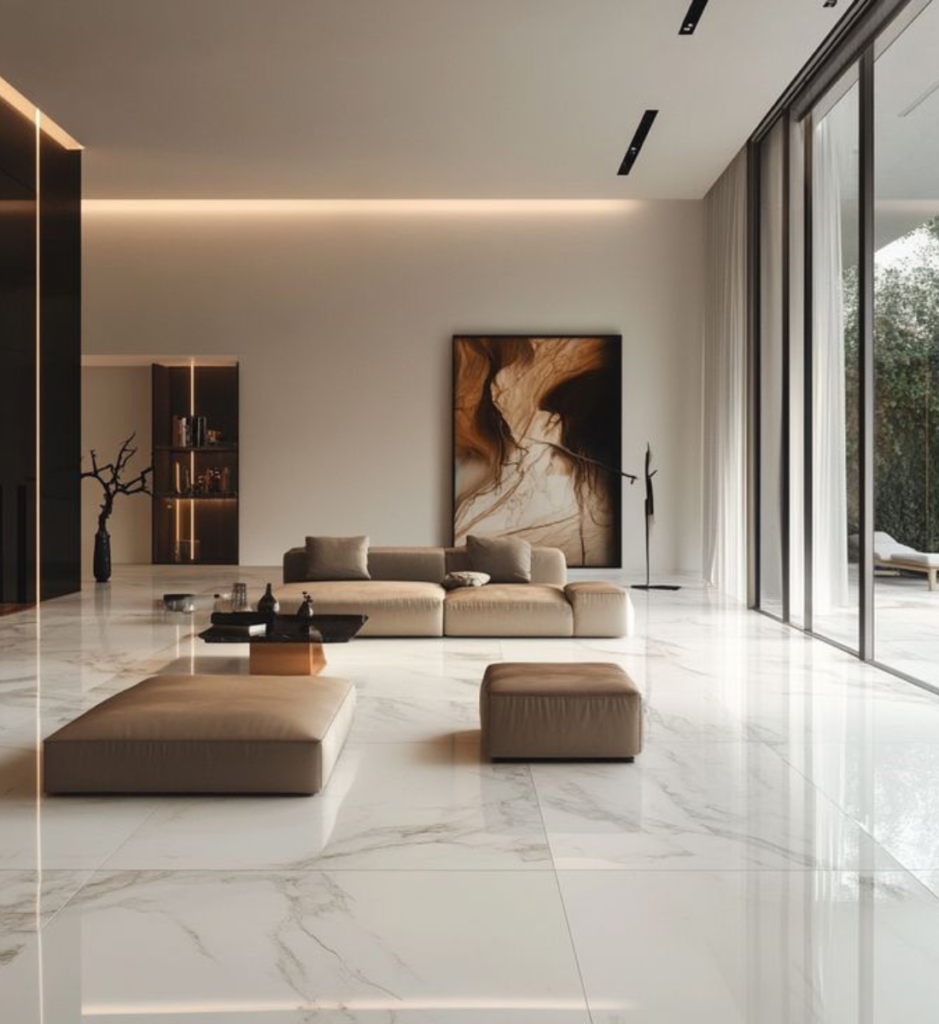
Wood, stone, linen, and ceramic carry natural texture and warmth. In luxury minimalist interior design, a single quality material like honed marble, polished concrete becomes the focal point of the entire room.
Minimal Textiles
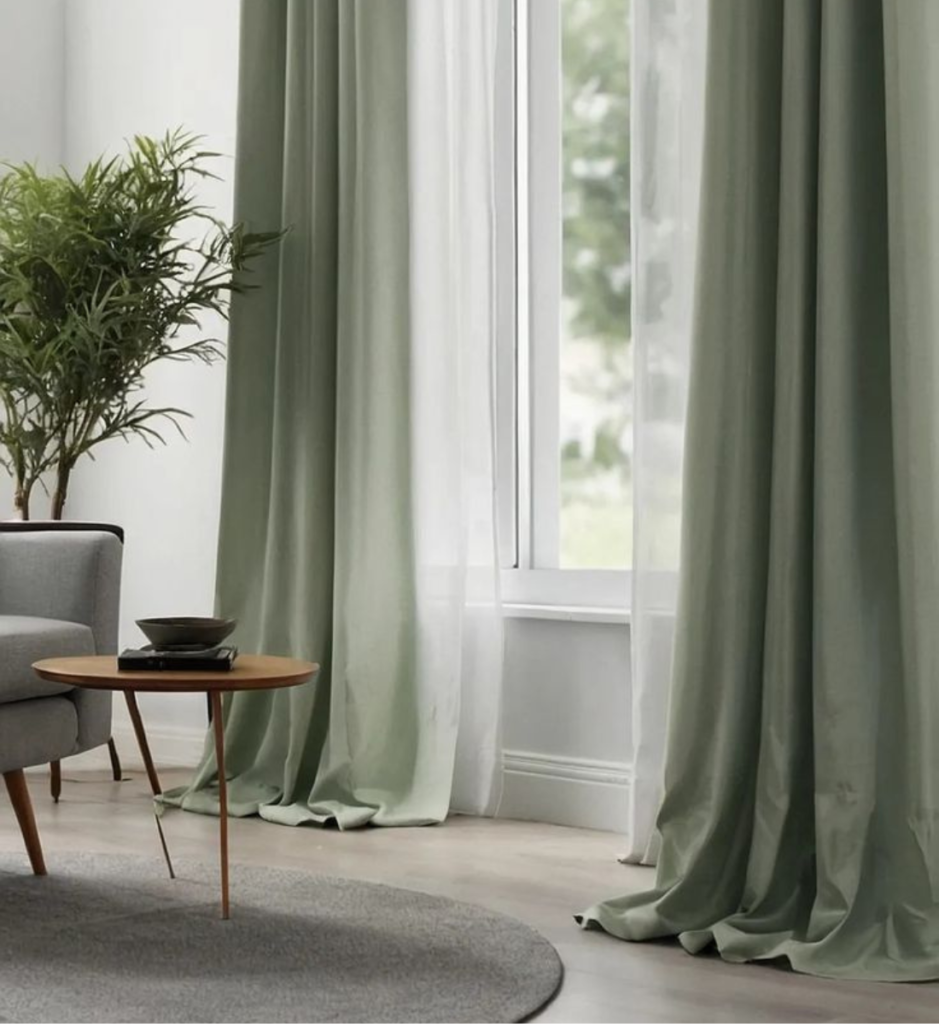
One throw, linen curtains, and a single area rug add comfort without clutter. Natural fibres and a consistent palette keep things well-matched.
Subtle Patterns
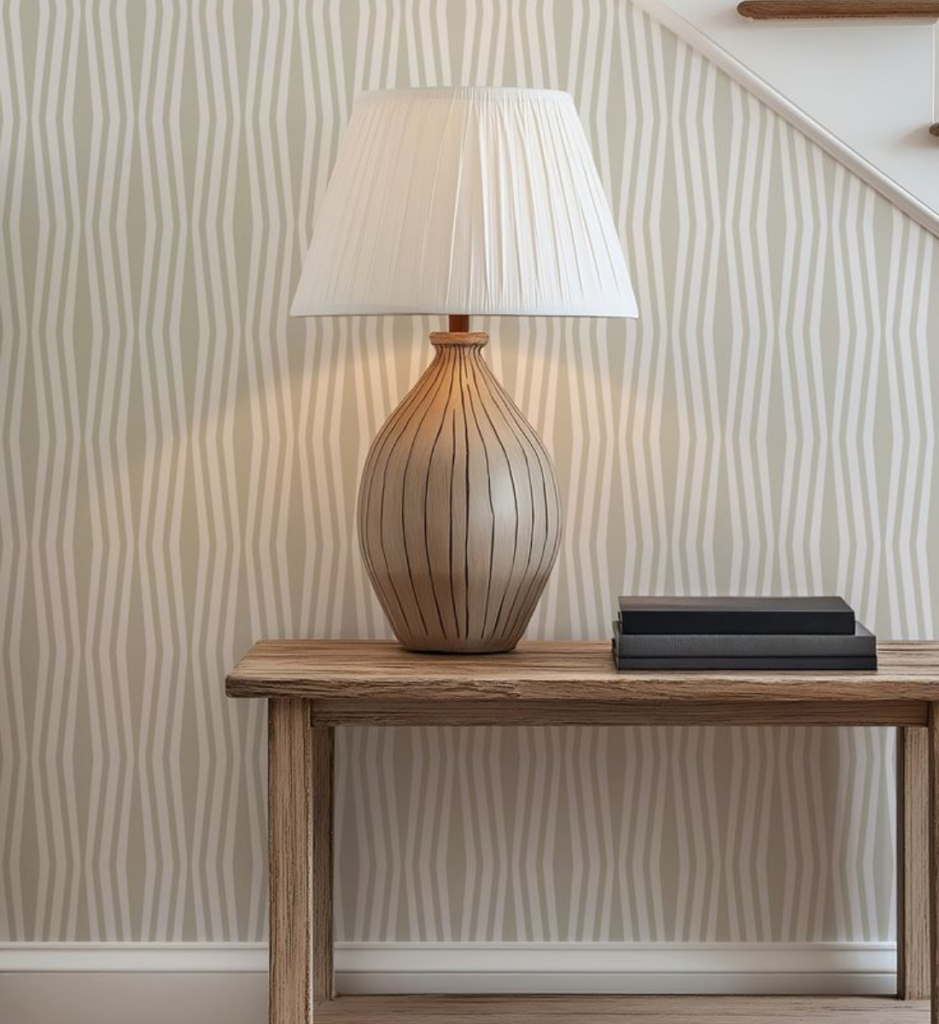
Timber grain, a tonal weave, or a woven rattan pendant pattern in minimalism is always quiet, textural, and secondary to form.
You would also like to read: Top 15 Living Room Lighting Ideas
Minimalist Bedroom Interior Design
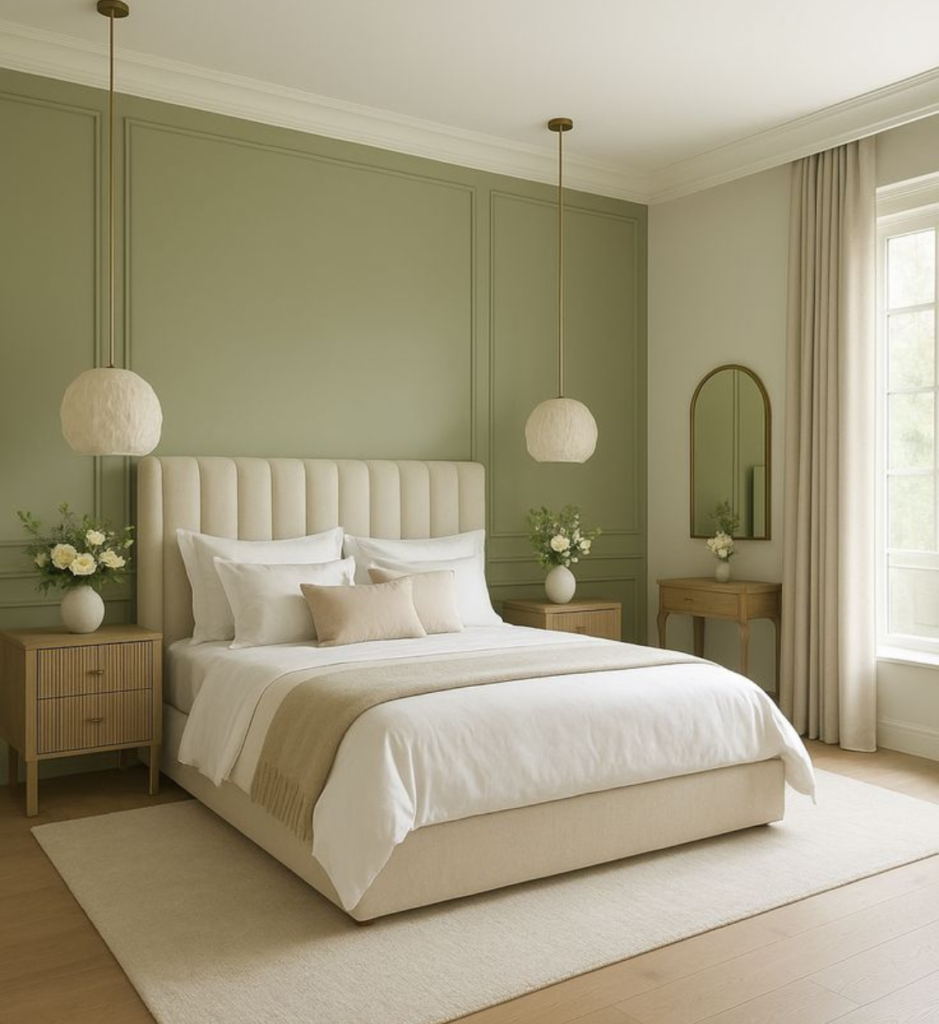
The bedroom is the most natural room to go minimal. In bedroom minimalist interior design, a low-profile bed, concealed wardrobe storage, and clear bedside surfaces are the foundation, warm linen bedding and a single lamp handle the rest.
Minimalist Living Room Design
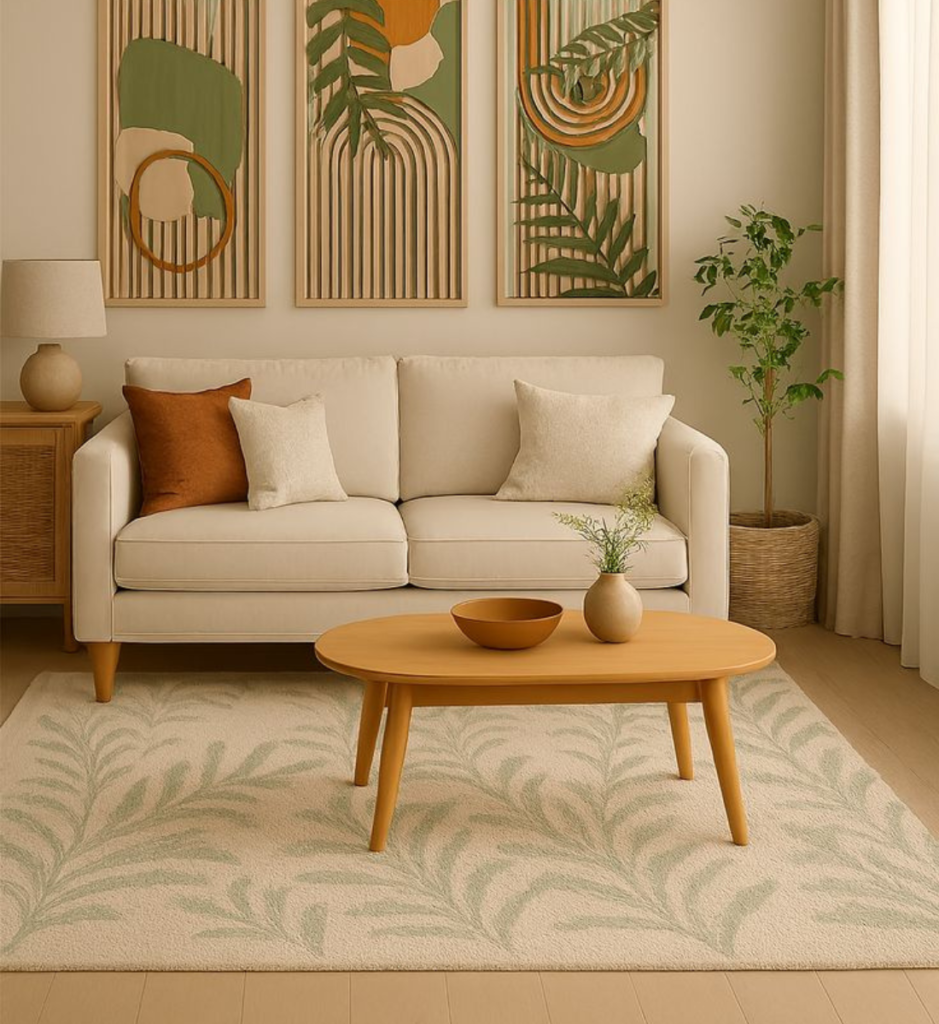
A quality neutral sofa, one grounding rug, and a simple coffee table go a long way in minimalist interior design living room settings. Conceal technology, keep surfaces clear, and let one large-scale art piece do the decorative work.
Minimalist Kitchen Design
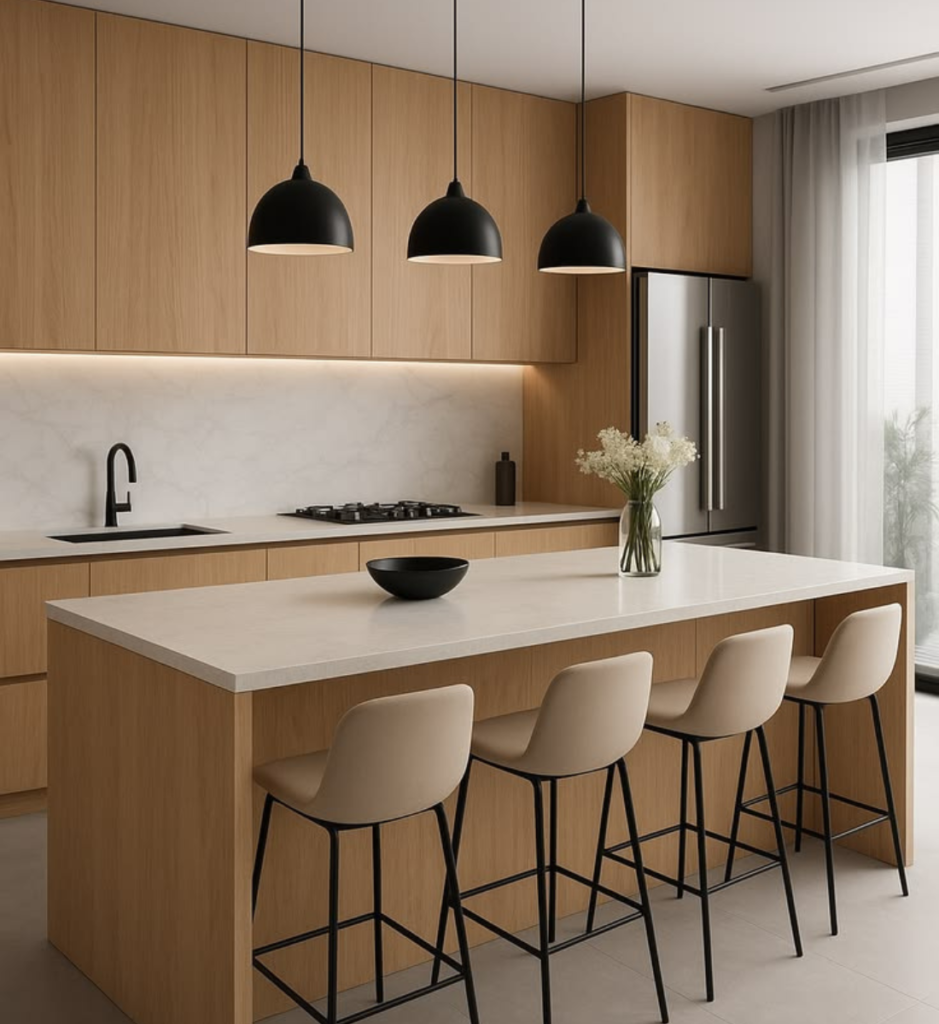
Handleless flat-panel cabinetry, integrated appliances, and a clear countertop define the minimalist kitchen interior design. One quality worktop material like marble, concrete, or engineered stone is all the visual interest the space needs.
Minimalist Bathroom Design
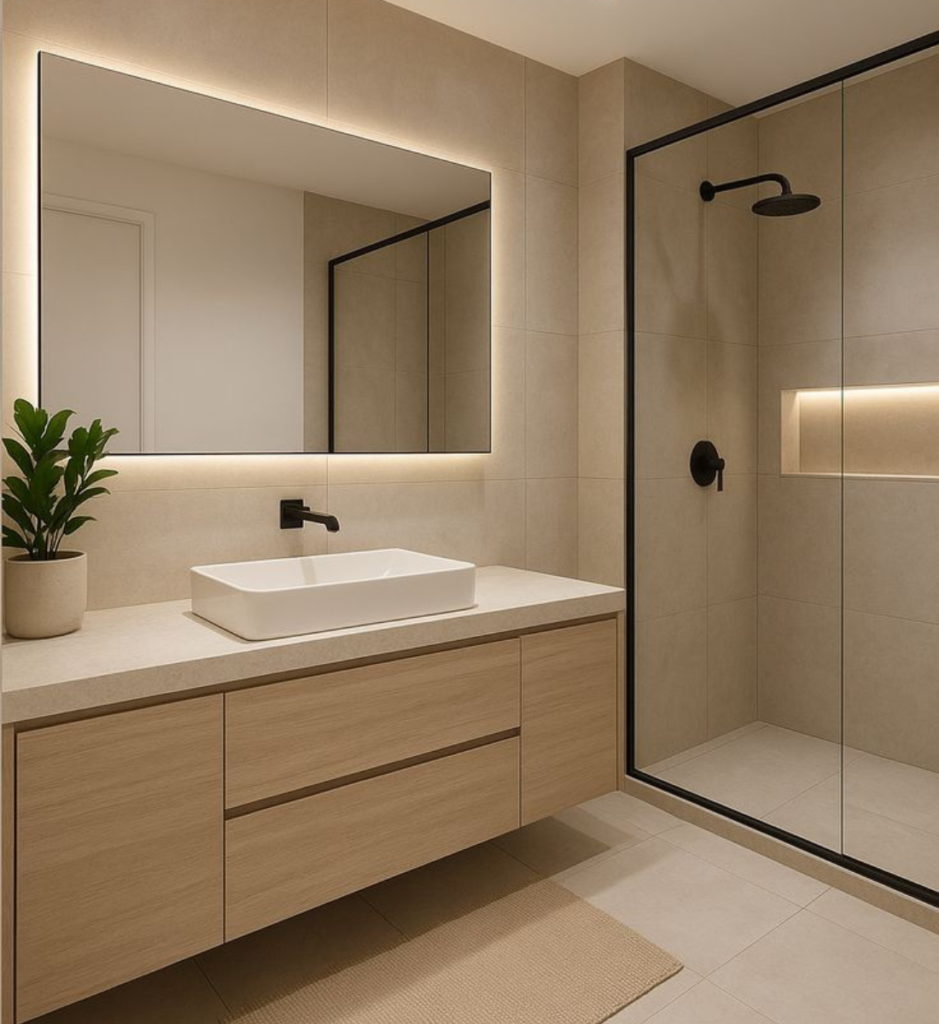
Wall-hung vanities, frameless shower glass, large-format tiles, and fully concealed storage create a spa-like calm. Keep the countertop to one or two items and let the materials speak.
Minimalist Hallway Design
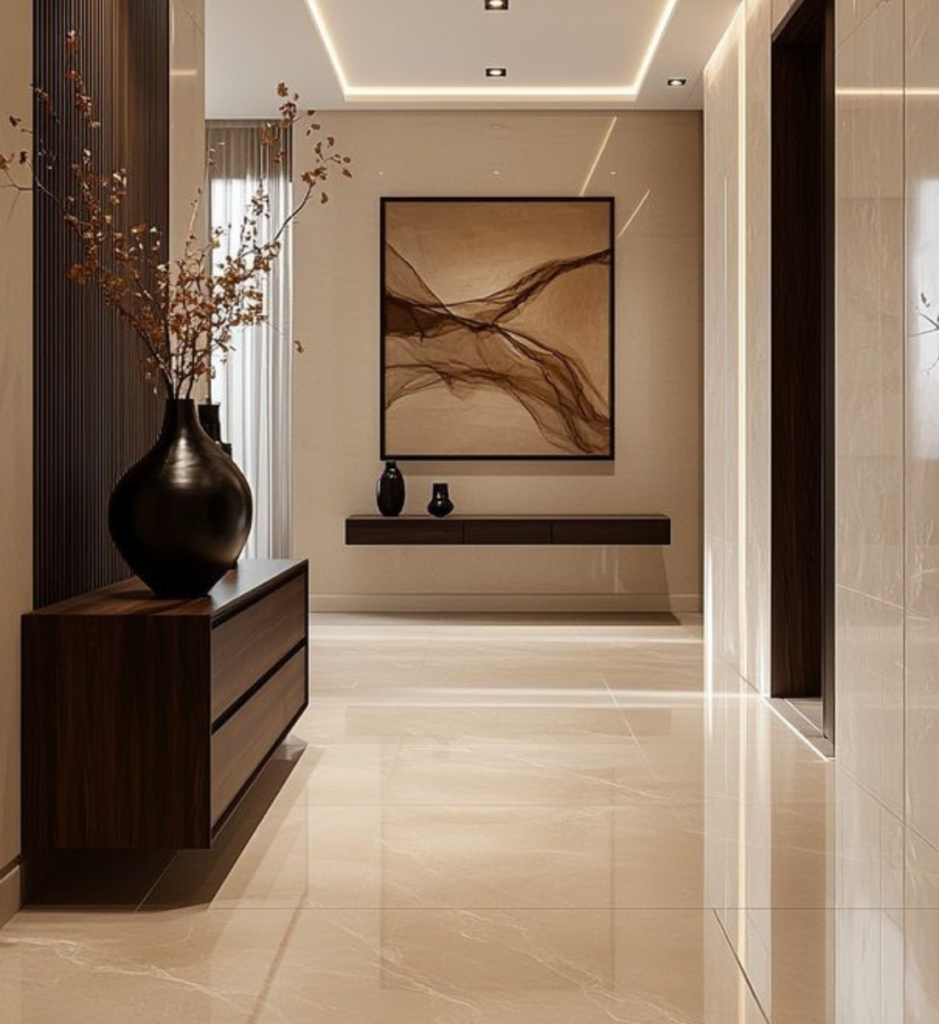
A large mirror, warm lighting, and concealed coat and shoe storage are all what a minimalist hallway needs. In tight spaces, floor-to-ceiling built-in cabinetry transforms even the narrowest corridor.
Tips to Achieve a Minimalist Home
- Edit first, buy later. Remove everything and only bring back what’s truly needed.
- Invest in fewer, better pieces. One excellent sofa beats three average ones every time.
- Solve storage before decorating. Every object without a home ends up on a surface.
- Limit your material palette. Three to four materials per room creates natural consistency.
- Let walls breathe. White space is restful, not every wall needs art or shelving.
- Hidden cables and tech. Visible wires instantly undermine the whole aesthetic.
Common Mistakes to Avoid in Minimalist Design
Confusing minimalism with emptiness
Minimalism is carefully chosen, not bare. If it feels cold, it needs better materials or warmer lighting.
Neglecting storage planning
Without enough concealed storage, mess always returns. Design storage first.
Mixing too many finishes
Inconsistent hardware and materials are highly visible in a pared-back space.
Overlooking texture
When color and pattern are restrained, texture carries the room. Smooth-only surfaces feel lifeless.
Prioritising looks over quality
Simple lines expose poor construction. In minimalism, quality is never optional.
Why Choose Us?
We create interiors that are both visually refined and purposefully designed, our team of expert minimalist interior designers brings sharp vision and genuine care to every project.
We listen to how you live, then design with precision,from a single room to a full home transformation.Ready to transform your space? Contact us today to get started.
Final Thoughts
Whether it’s a studio flat or a family home, the principles of minimalist home interior design: intentionality, quality, and restraint work at every scale. Start small, edit bravely, choose well.
Frequently Asked Question
How do I start going minimalist at home?
Declutter one room at a time and only bring back what you truly use or love.
Can minimalism work in a family home with kids?
Yes, generous concealed storage is the key to keeping a busy household looking minimal.
Does minimalist design have to be white?
No, warm earthy tones, soft greys, and deep moody hues all work within a minimalist palette.
Does minimalism suit small homes?
It’s especially effective, less clutter and smarter furniture make compact rooms feel significantly larger.
What does minimalist office interior design look like?
A clear desk, hidden cables, simple storage, and good lighting, all are built to remove distraction.
How do I make a minimalist home feel warm?
Layer natural materials like timber and linen, use warm-toned lighting, and add a few plants.
Is a minimalist home hard to maintain?
It’s much easier, fewer objects and clear surfaces mean cleaning takes far less time.