Have you ever walked into a home that felt undeniably fresh and current, yet you couldn’t quite put your finger on a specific time period? The space likely felt open and airy, the furniture looked comfortable but sleek, and everything just seemed to belong to the “here and now.” If so, you have experienced contemporary interior design.
For many homeowners and design enthusiasts, the term “contemporary” can be confusing. It is often used interchangeably with “modern,” but in the world of professional design, these two words mean very different things. As we move into 2026, contemporary design has become one of the most popular styles because it is incredibly flexible. It does not force you to live in a museum of the past; instead, it evolves with us.
This complete guide will break down exactly what contemporary interior design is. We will strip away the jargon and explain the style in simple, easy-to-understand language. By the end of this article, you will understand the core elements of this style, how it differs from modern design, and how you can bring this sophisticated look into your own home today.
What Is Contemporary Interior Design?
At its most basic level, contemporary interior design refers to the style of the present moment. The word “contemporary” literally means “occurring at the same time.” Therefore, this design style is fluid and ever-changing. It is not pinned down to a specific decade or set of strict rules like traditional styles are.
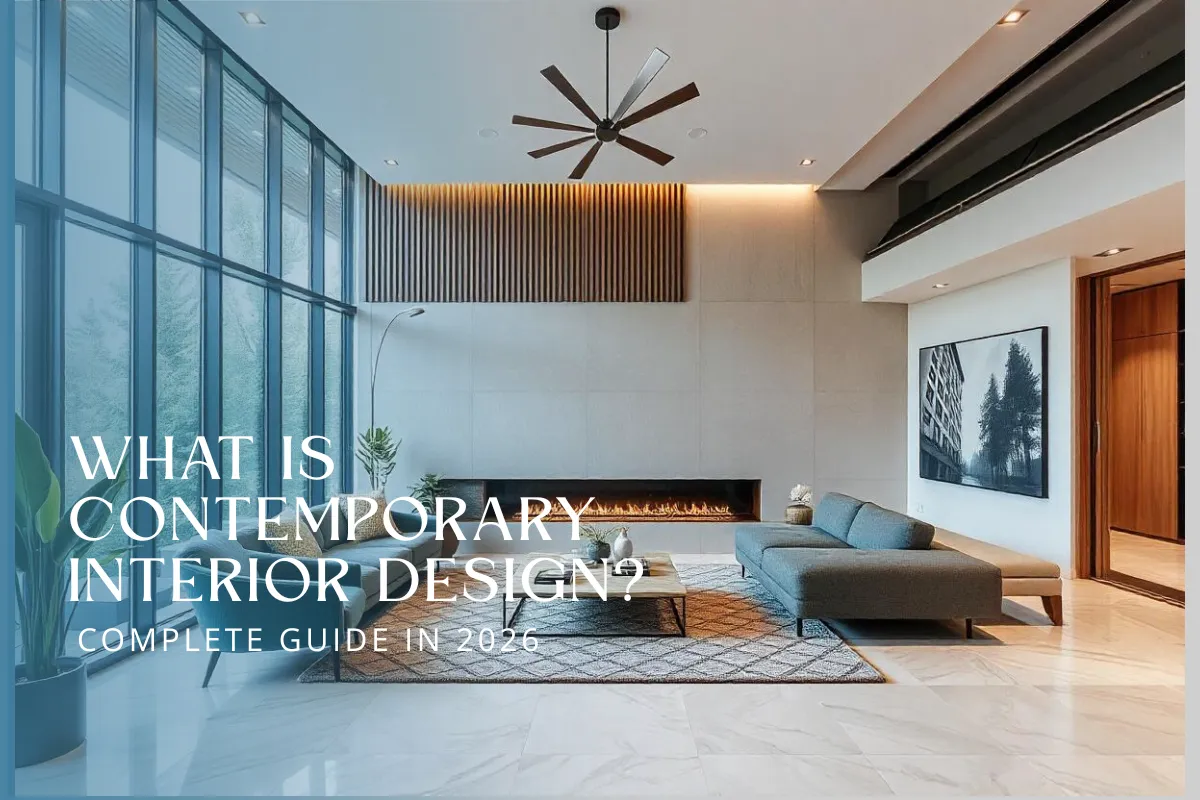
Contemporary design borrows elements from various eras, including modernism, minimalism, and even industrial styles, but it updates them to fit current trends and lifestyles. In 2026, this means a focus on simplicity, subtle sophistication, and the deliberate use of texture and clean lines.
The beauty of this style is its adaptability. A contemporary home today looks different than a contemporary home from the 1990s because the definition of “current” has changed. Today, it focuses heavily on open spaces, natural light, and a sense of calm. It is less about showing off ornate decorations and more about creating a functional, comfortable space that feels polished and put-together.
The Big Debate: Contemporary vs. Modern Design
One of the most common questions people ask is: “What is the difference between modern and contemporary design?” While they sound like the same thing, they are actually distinct concepts.
Modern Design
Modern Design is technical and historical. It refers to a specific period of time, essentially the early to mid-20th century. When designers talk about “Mid-Century Modern,” they are referencing a style that was popular between the 1920s and 1950s. Modern design has strict guidelines. It favors crisp lines, warm wood tones, and earthier colors like rust, turquoise, and olive green. Once you create a modern room, you are essentially freezing a moment in history.
Contemporary Design
Contemporary Design, on the other hand, is all about the “now.” It does not belong to a specific year. While modern design can feel a bit retro, contemporary design feels futuristic and fresh. It is willing to break the rules. For example, while modern design might strictly use wood, contemporary design happily mixes in state-of-the-art materials like recycled glass, polished concrete, and sustainable bamboo.
Think of it this way: Modern design is a snapshot of the past, while contemporary design is a movie that is currently filming.
Core Elements of Contemporary Style
To recognize or recreate a contemporary home, you need to look for specific ingredients. These are the building blocks that designers use to create that sleek, current look.
1. The Power of Lines
The most obvious element of contemporary design is the line work. You will see strong, visible lines everywhere—in architecture, furniture, and even art. These lines can be vertical, horizontal, or curved.
In previous years, the style was very rigid with sharp edges. However, moving into 2026, we are seeing a shift toward “softer” contemporary design. This means you will still see strong architectural lines, but they might be balanced with a curved sofa or a round coffee table. The goal is to create a structure that guides the eye around the room without feeling harsh or cold.
2. A Neutral Foundation
Color is perhaps the easiest way to spot this style. Contemporary interiors almost always start with a neutral color palette. We are talking about shades of black, white, gray, and beige. This neutral background acts like a blank canvas.
However, this doesn’t mean the room has to be boring. In contemporary design, bright and bold colors are used as “accents.” You might paint the walls a crisp white but add a vibrant teal rug or a piece of abstract art with splashes of red. The contrast is key. If the walls and floors are quiet, the art and accessories get loud.
3. High-Contrast Lighting
Lighting in contemporary design is treated as an art form. It is not just about screwing a bulb into the ceiling; it is about making a statement. This style loves “track lighting” and recessed lighting, which wash a wall in light and make the room feel larger.
You will also frequently see metallic finishes on lamps and chandeliers. A sleek, chrome floor lamp or a pendant light with a sculptural shape can serve as the focal point of a room. The lighting is functional, but it also adds a layer of drama and sophistication.
Materials and Textures: The Secret Sauce
Since contemporary design relies on neutral colors, it runs the risk of feeling flat. To prevent a room from feeling like a hospital waiting room, designers use texture. This is crucial for achieving the look in 2026.
You want to mix materials that feel different to the touch. For instance, you might pair a smooth glass coffee table with a chunky wool rug. Or, you might place a cold metal chair next to a warm, velvet sofa.
Common materials in this style include:
Metal: Stainless steel, nickel, and chrome are popular for their reflective, clean look.
Glass: Large glass windows and glass table tops help maintain an open, airy feeling.
Stone: Marble and polished concrete provide a grounding, natural element.
Natural Textiles: Cotton, linen, silk, and wool add softness and comfort.
By layering these materials, you create visual interest without needing to add clutter or excessive patterns.
Contemporary Furniture: Less is More
When shopping for furniture for a contemporary home, the rule of thumb is “less is more.” You want pieces that are bold but simple. There should be no skirts on sofas, no tassels, and no excessive carving.
Legs on chairs and couches are often exposed, which helps create a sense of space because you can see the floor beneath the furniture. The shapes are usually geometric—squares, rectangles, and circles.
Upholstery should be crisp and tailored. You won’t see sagging cushions or floral prints here. Instead, you will see solid colors in high-quality fabrics like wool, cotton, or leather. The furniture needs to make a statement on its own, standing out as a piece of sculpture within the room.
Contemporary Trends for 2026
As we look ahead to 2026, contemporary design is adopting a few new priorities that reflect how our lives are changing.
Sustainability
Sustainability is no longer just a buzzword; it is a requirement. Contemporary design is leading the charge in using eco-friendly materials. We are seeing more furniture made from recycled plastics and fast-growing bamboo. The “new” luxury is knowing that your home is kind to the planet.
Smart Technology
Smart Technology is also seamlessly blending into smart home interior design. In the past, tech was clunky and ugly. Now, contemporary design hides technology. We have hidden charging ports in kitchen counters, smart glass that tints automatically, and lighting systems that adjust to the time of day. The goal is a high-tech home that looks completely analog and peaceful.
Biophilia
Biophilia, or the love of nature, is heavily influencing the style. While contemporary design can sometimes feel industrial, 2026 trends are softening this with large indoor plants and “living walls.” Bringing the green outdoors inside helps to warm up the neutral color palette and purify the air.
Bringing Contemporary Design into Your Home
You do not need a degree in interior design to achieve this look. Here is how you can start transforming your space, room by room.
In the Living Room:
Start by decluttering. Contemporary design hates clutter. Remove knick-knacks that don’t have a purpose. Paint your walls a soft white or light gray. Invest in a streamlined sofa with clean lines and exposed legs. Add a large, abstract painting to one wall and ensure your lighting is layered—perhaps a floor lamp for reading and dimmable overhead lights for ambiance.
In the Kitchen:
The contemporary kitchen is efficient and sleek. Look for flat-panel cabinetry without ornate handles—or even “handle-less” cabinets for a super smooth look. Stainless steel appliances are a staple here. When planning your kitchen cabinets designs, keep the countertops clear of appliances like toasters and blenders; store them away to maintain those long, clean horizontal lines.
In the Bedroom:
Your bedroom should be a sanctuary. Stick to neutral bedding with high thread counts. Texture is very important here to make it cozy—think a faux fur throw blanket on a smooth leather chair. Avoid heavy drapes; instead, use simple blinds or sheer curtains that let natural light filter in during the day.
Conclusion
Contemporary interior design is the ultimate chameleon. It takes the best parts of modernism, minimalism, and global trends and mixes them into a style that is perfect for today. It is clean without being cold, and stylish without being impractical.
By focusing on neutral colors, strong lines, and a mix of textures, you can create a home that feels sophisticated and timeless. Remember, the most important rule of contemporary design is that it should reflect the “now.” As we move into 2026, that means creating a space that is sustainable, smart, and deeply comfortable. Whether you are renovating an entire house or just refreshing a single room, an expert interior designer in Lahore can help you embrace contemporary design and ensure your home will always feel fresh and welcoming.