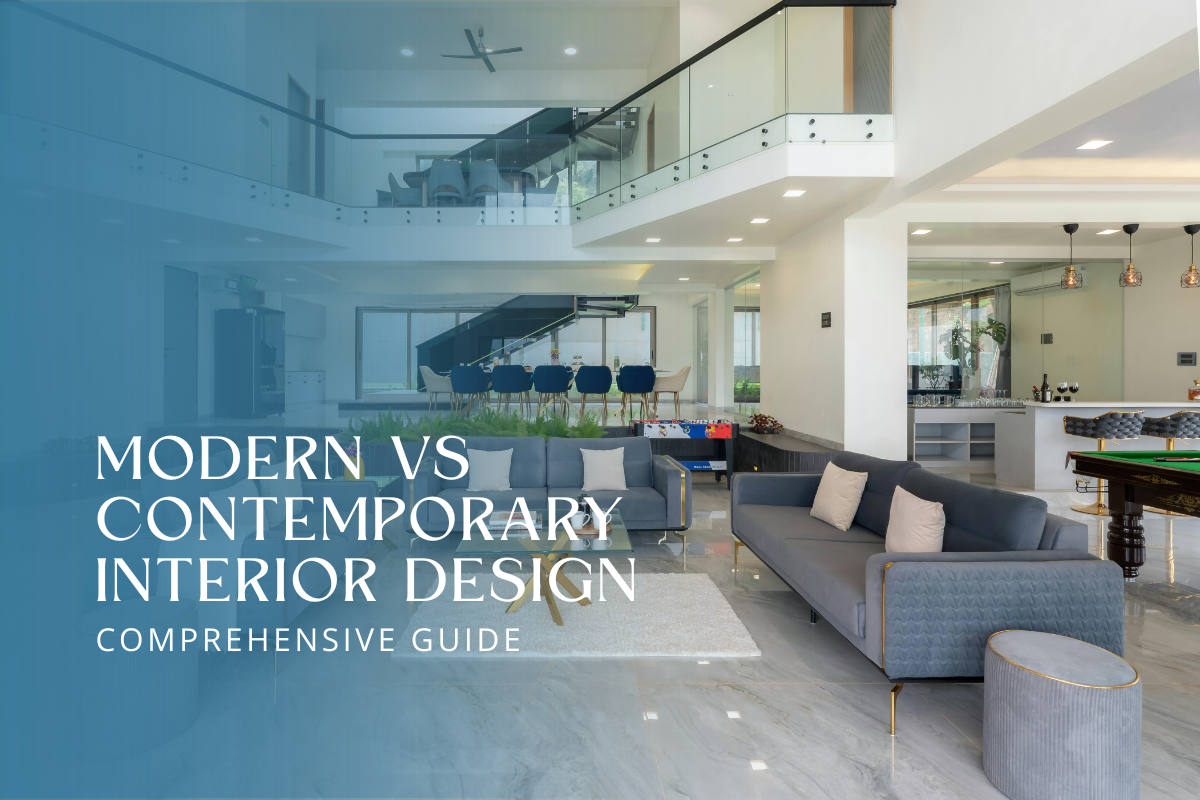
If you have ever walked into a furniture store, you have probably heard the words “modern” and “contemporary” used like they mean the same thing. But they do not and that difference matters more than you think.
Modern design points to a specific style that became popular in the mid-20th century. It is all about clean lines, simple shapes, natural materials like wood and leather and a clutter-free look. It does not change with trends. It stays true to that one classic era.
Contemporary design is a whole different story. It is not tied to any one time period. It moves with what is popular right now borrowing shapes, colors and ideas from whatever is trending in the design world today. That means contemporary style today can look very different from contemporary style five years ago.
The difference is not complicated. Once you understand it, shopping for interior design modern pieces or contemporary ones becomes a lot easier and your results will look more intentional, more cohesive and far more polished.
What Is Modern Style Interior Design?
Modern style interior design is not just a buzzword for anything new or clean-looking. It refers to a specific design movement that emerged in the early 20th century roughly from the 1920s to the 1970s. The core idea behind it was simple, form follows function.
Everything in a modern room has a reason to be there. No fussy ornamentation. No decorative clutter. Just purposeful, well-crafted pieces that do their job beautifully.
What Defines Modern Style?
Modern style interiors are built around these hallmarks:
- Clean, straight lines and geometric shapes no curves for the sake of curves
- A warm, earthy color palette: beige, ivory, tan, warm white, muted brown
- Natural materials exposed wood, stone, leather, linen and wool
- Furniture that sits low to the ground with a wide, flat look no bulky or towering pieces
- Open, airy floor plans where light moves freely
- Minimal decor only what genuinely adds to the space
One thing to clear up, a modern home does not mean a newly built one. You could live in a brand-new apartment that is entirely contemporary, or a 1950s house that is purely modern. The difference is about aesthetic philosophy, not the age of your building.
Modern design is also different from minimalism. Minimalism strips everything back to almost nothing. Modern design is warmer, it welcomes texture, natural materials and cozy layers while still keeping things orderly and clean.
What Is Contemporary Home Style?
Here is the key thing to understand about contemporary home style, it is not fixed. The word “contemporary” means “of the current time” so contemporary design is literally whatever is popular right now. It changes as tastes evolve and that is exactly what makes it different from modern design.
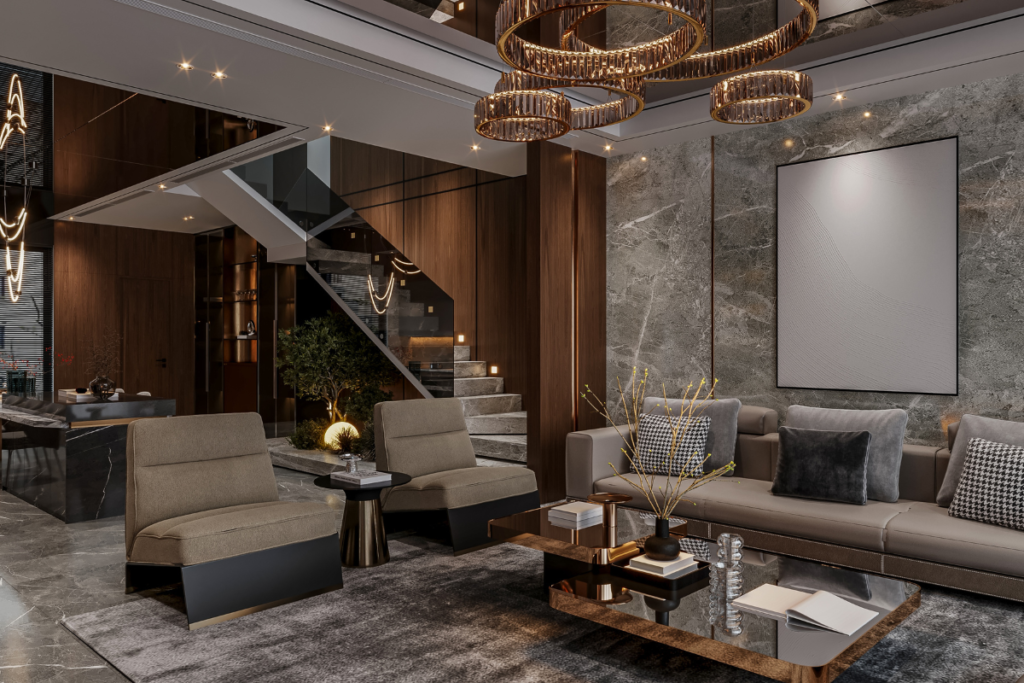
So what is contemporary home design in the mid-2020s? It is bold, sculptural and full of contrast. Think curved sofas in rich fabrics, statement lighting, fluted textures and a mix of industrial and organic materials. Today’s contemporary look is confident and expressive but ask again in ten years and the answer will look different.
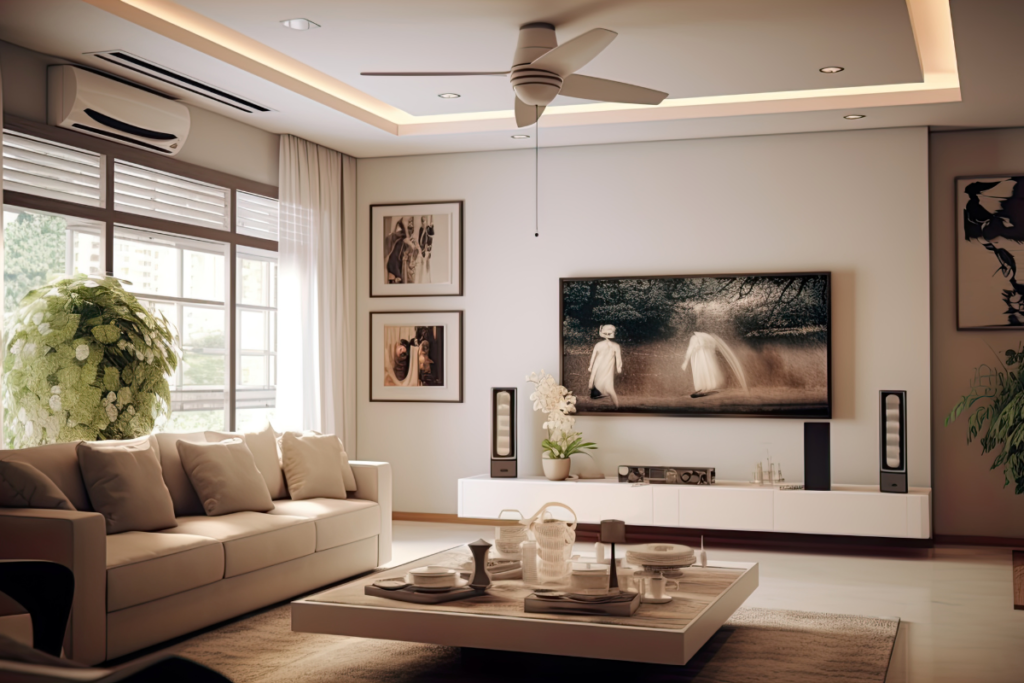
What Defines Contemporary Style?
Contemporary styles in today’s homes typically feature:
- Curved, fluid, sculptural forms quite the opposite of modern’s angular lines
- High-contrast palettes: crisp white with deep charcoal, black or navy, plus bold accent colors
- A mix of materials: polished concrete, tempered glass, brushed steel, velvet, lacquered wood
- Furniture that doubles as art statement pieces that command attention
- Layered lighting used intentionally ambient, task and accent working together
- Curated accessories like geometric sculpture and abstract art
The contemporary design interior also borrows freely from other styles of minimalism, Art Deco, Japandi as long as those influences feel current. This flexibility is its biggest strength and also what makes it harder to define than modern design.
Modern vs Contemporary Interior Design: A Clear Comparison
The easiest way to understand contemporary vs modern design is to place them side by side. Here is how they compare across the elements that matter most when designing a home:
Feature | Modern Design | Contemporary Style Interior |
Era / Origin | Early–mid 20th century (fixed) | Present day (always evolving) |
Color Palette | Warm neutrals: beige, tan, brown, white | Bold contrasts: black, white, grey + accent pops |
Furniture Shape | Structured, low-profile, angular | Curved, sculptural, fluid |
Primary Materials | Wood, leather, linen, stone | Glass, steel, concrete, mixed textures |
Decorative Accents | Minimal; natural objects, raw textures | Strategic; geometric art, metallic finishes |
Flexibility | Fixed aesthetic rooted in history | Fluid shifts with current trends |
How Their Color Palettes Differ
Modern interiors feel warm and grounded. Taupes, creamy whites, warm greys and natural wood tones create a calm, organic atmosphere. Contemporary modern interior design takes a different approach, high contrast is the point. A stark white wall next to a matte black floor, or a pale sofa against a deep teal accent wall contemporary design is not afraid to make a visual statement.
How Their Furniture Differs
Modern furniture sits low, is structured and tends toward right angles with clean tapered legs. Contemporary furniture makes bolder moves, wide curved sectionals, bubble chairs, organically shaped tables. The silhouettes are more dramatic and more current.
How Their Materials Differ
Modern spaces feel warm partly because their materials are warm, hand-scraped hardwood, woven wool, stone with visible grain. Contemporary house style interiors go cooler and more industrial brushed brass, concrete, matte glass often layered in unexpected combinations that feel fresh and fashion-forward.
How Their Decor Differs
Both styles keep accessories restrained, but their choices reveal character. Modern decor chooses organic, natural objects, a ceramic vase, a linen throw and a single sculptural plant. Contemporary decor chooses geometric sculpture, abstract prints, and metallic objects that catch the eye.
Can You Mix Modern and Contemporary Design?
Absolutely and when done well, modern and contemporary home decor together can create some of the most inviting rooms you will ever step into. In fact, the conversation around contemporary vs modern home decor has shifted, more designers now embrace blending the two rather than picking one exclusively. This approach is called “transitional design,” and it sits in the sweet spot between timeless roots and current trends.
The trick is to anchor the room in one dominant style, then layer in the other thoughtfully. Here is how:
- Start with a modern structure clean-lined architecture, neutral walls, natural wood floors
- Bring in contemporary furniture with softer, curved shapes to add movement
- Use modern materials (linen, leather, stone) on large surfaces, contemporary finishes (brushed brass, glass) on smaller accents
- Keep your color palette cohesive a warm neutral base unifies both styles
- Edit as you go both styles share the belief that less is more
Which Style Is Right for Your Home?
When weighing contemporary vs modern home options, consider three things: how you live, how long you plan to stay and how often you want to redecorate.
Choose Modern Design If You Want Timeless
The modern home vs contemporary home debate often comes down to permanence. Modern design does not chase trends, it was never part of that game. A well-designed modern interior looks just as relevant today as it did forty years ago. If you are renovating your forever home, modern is the safer long-term investment.
It is also the right choice if you genuinely love natural materials. If warm wood, soft linen and cool stone feel like home to you, modern design will reward you every day.
Choose Contemporary Design If You Want to Stay Current
If you love staying on top of design trends and do not mind refreshing elements every few years, contemporary design is built for you. Contemporary vs modern homes also perform differently in the real estate market contemporary properties tend to photograph better and appeal more to first-time buyers looking for something that feels fresh.
Contemporary design also gives you more room for personal expression. It is not tied to one era, so your art collection, your travel finds, and your evolving taste can all find a home within it. A carefully curated contemporary home decor scheme feels personal in a way that purely modern spaces sometimes resist.
A Quick Decision Framework
Modern design concept pick modern if:
✔ You prefer warm, earthy tones over bold contrast
✔ You buy fewer pieces but invest in quality and keep them long-term
✔ You dislike redecorating and want a look that ages beautifully
✔ Natural materials wood, linen, leather, stone make you happy
Contemporary design concept pick contemporary if:
✔ You love bold contrasts and statement furniture
✔ You enjoy refreshing your space as trends evolve
✔ Mixed materials and architectural detail excite you
✔ Resale value and first impressions are part of your thinking
Design Guidance You Can Actually Trust
At Home Interior, we do more than help you pick a style. We help you build a home that truly works for your life. Whether you are renovating an existing space or starting from scratch, our team offers honest design consultation and full home renovation services tailored to Pakistani homes, real budgets and real families. We take the confusion out of decisions like modern vs contemporary so you can move forward with clarity and confidence. From the first conversation to the final finish. We get it right.
Frequently Asked Question
Can I hire an interior designer for modern or contemporary design in Pakistan?
Yes. Many designers in cities like Lahore, Karachi, and Islamabad specialize in these styles. Just review their portfolio to ensure they match your preferred look before hiring.
Can I mix traditional Pakistani decor with a modern interior?
Yes. Traditional pieces like wood furniture or rugs pair well with modern spaces, just keep the background neutral.
Which style is cheaper to do in Pakistan, modern or contemporary?
Modern is usually more affordable due to locally available materials, while contemporary can be costlier.
Can I achieve a modern or contemporary look on a limited budget?
Yes. Start with neutral paint, add one quality piece, and build gradually using local craftsmanship.
Which style works better for small homes and apartments?
Both styles can work in small homes. Modern design helps spaces feel open and uncluttered, while contemporary design adds boldness with statement pieces. A mix of modern basics with a few contemporary accents usually works best.